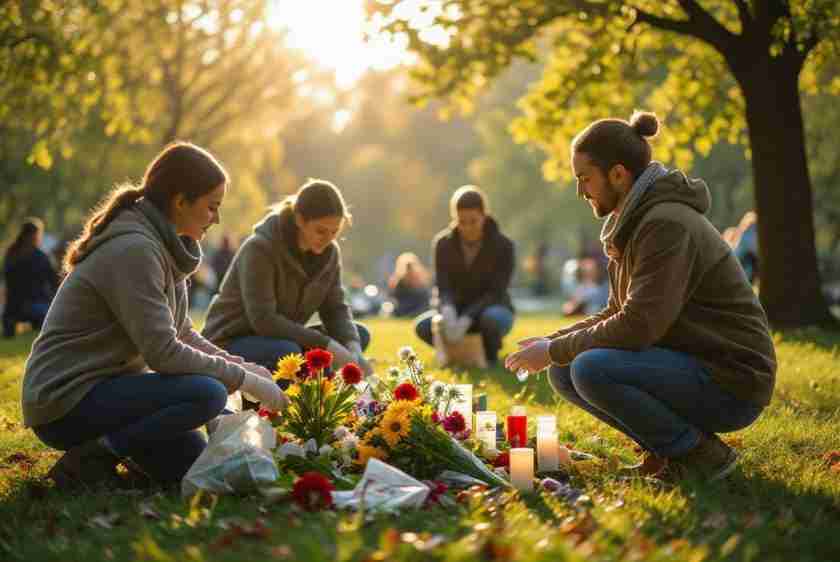
Clarity often feels distant after a traumatic event like a suicide, leaving you overwhelmed by emotional and physical chaos. Understanding the role of trauma cleanup can help you navigate this difficult aftermath, restoring not only the environment but also providing a foundation for your healing journey. This process goes beyond simple cleaning—it addresses the invisible weight trauma leaves behind, helping you regain control and move forward with renewed hope and resilience.
In the hours and days following a suicide, the environment often feels completely unrecognizable. The physical space itself can seem overwhelmed with disorder, with personal belongings left as they were at the moment of tragedy and communal areas disrupted by visitors and emergency responders. This physical chaos mirrors the internal confusion experienced by those who remain. Trying to navigate through legal procedures, notifying friends and relatives, and managing household logistics can become an exhausting maze that leaves little room for emotional processing.
Stress intensifies as you face the stark reality of cleaning not only the emotional debris but also the actual scene where the tragedy occurred. This is not just a cleanup of physical surroundings but a necessary step toward reclaiming your home and your mind from the trauma. Engaging professional trauma cleanup services at this stage can reduce immediate health risks associated with biohazards and provide a structure for restoring some form of order amidst the upheaval.
The ripple effects of a suicide within a family are profound and multifaceted, often reshaping relationships in unpredictable ways. Family members may find themselves isolated in their grief as communication breaks down or conflicts arise over how to cope or what actions to take next. You might notice how roles within the family shift abruptly, with some individuals stepping into leadership positions while others withdraw entirely.
Children and adolescents might experience behavioral changes, such as increased anxiety or difficulties in school, while adults may wrestle with feelings of responsibility or blame that strain marital or sibling relationships. The burden of handling funeral arrangements or financial responsibilities can exacerbate tensions, making it tougher to maintain a unified family front during this period of adjustment.
Your emotions can feel like a storm, with grief crashing in waves that ebb and flow unpredictably. Mixed within this grief is often an intense sense of guilt, wondering if there was something you could have done differently or signs you might have missed. These feelings are compounded by a pervasive sense of overwhelm as you navigate the practical realities alongside the emotional impact of loss. Research from the American Foundation for Suicide Prevention highlights that survivors often experience a complex grieving process differing distinctly from other types of bereavement, characterized by trauma-induced stress and lingering questions.
The overlap of shock, denial, and anger can disrupt your usual coping mechanisms, making it difficult to focus on day-to-day tasks or to seek support effectively. These conflicting feelings may isolate you further, as loved ones might be uncertain how to approach your pain or your reactions may seem erratic. Recognizing this turmoil as a natural response can help guide your path toward healing, especially when supported by professional care and community resources.
The emotional whirlwind following a suicide is not just personal but also physiological, with stress hormones affecting your sleep, appetite, and ability to regulate emotions. This biochemical impact further complicates your experience of grief, explaining why some moments might feel unbearably heavy while others bring sudden bouts of numbness or detachment. Understanding these symptoms as part of trauma response rather than weaknesses can empower you to engage in healing practices tailored to both body and mind.
Handling trauma cleanup after a suicide is far beyond a typical cleaning task. As you navigate this challenging landscape, you encounter biohazards that require specialized knowledge and equipment to address safely. Bloodborne pathogens, bodily fluids, and other contaminants not only pose serious health risks but can also linger in your space long after the incident. Professional trauma cleanup services bring expertise that ensures thorough decontamination while adhering to stringent health regulations, creating a safer environment for you and those around you.
Attempting to clean the scene on your own can intensify your emotional distress and risk exposure to dangerous materials. These professionals understand the psychological impact tied to traumatic scenes and move with sensitivity, preserving your dignity and peace of mind. Their role extends beyond cleaning; they help you reclaim your space, allowing you to focus on healing rather than contamination concerns or logistical burdens.
The physical restoration of your environment via trauma cleanup yields immediate tangible benefits, from eliminating biohazards to removing visible traces of trauma that can constantly trigger painful memories. Scientific studies have shown that visibly clean and sanitized surroundings reduce anxiety levels, fostering a more secure atmosphere which aids psychological recovery. For example, one case study revealed that survivors who engaged professional cleanup services reported lower symptoms of post-traumatic stress disorder within six months post-cleanup compared to those who did not.
Besides physical cleansing, the psychological benefits are profound. The removal of visual reminders helps break cycles of rumination and intrusive thoughts, which often exacerbate grief and trauma responses. Your well-being improves when you inhabit a space that no longer serves as a constant reminder of pain, allowing new pathways for memory and hope to emerge. Restoration thus becomes an vital step in bridging your initial shock to longer-term emotional healing.
The state of your immediate surroundings significantly influences your recovery trajectory. Professional trauma cleanup changes your environment from one fraught with distressing cues into a sanctuary conducive to reflection and solace. Deodorization, removal of stained materials, and the careful handling of personal belongings help restore normalcy and reduce the feeling of disorder. These changes impact how you and loved ones process grief, often fostering a calmer and more supportive space.
Neuroscientific research supports that environments perceived as safe and orderly contribute to the downregulation of the amygdala, the brain’s center for emotional processing. By alleviating sensory inputs associated with trauma, cleanup indirectly promotes emotional regulation and resilience. With cleanliness and order restored, family members are more likely to engage in healthier coping behaviors like open communication or seeking counseling, turning the environment into one that nurtures recovery rather than perpetuates distress.
Beyond just removing biohazards, professional cleaning transforms the intangible atmosphere that lingers after trauma. It facilitates a subtle but powerful shift from chaos to calm, helping your mind associate the space with safety and renewal rather than pain. This environmental reset lays the foundation for rebuilding routines and supports the gradual return to everyday life, critical steps in your journey toward healing.
The space in which trauma has occurred holds layers of emotional weight, often making it difficult for survivors to reclaim their environment. Once the physical signs are removed through professional trauma cleanup, the space begins to shed the visible reminders of loss. However, the emotional residue can linger much longer, subtly influencing your sense of safety and peace. Trauma cleanup goes beyond sanitizing the area; it initiates a process that helps reset the environment to a state where your healing can take root, fostering a psychological restoration alongside the physical one.
Environmental psychologists have found that the state of your living or working space significantly impacts your mental health, especially after a traumatic event like a suicide. When cleanup professionals restore the area, they are effectively giving you a clean slate, removing not just the hazardous materials but also the emotional triggers tied to visible reminders. This reclamation of your space supports your subconscious mind in gradually detaching traumatic associations, enabling you to begin rebuilding your emotional resilience within a renewed setting.
Your immediate surroundings hold a powerful influence over how you process grief and trauma. Open, clean, and organized environments can create a sense of safety and control, two elements often lost in the chaos following a suicide. By restoring the space, trauma cleanup services provide you with an atmosphere that is free of the physical markers of tragedy, allowing your mind to focus on restoration without constant reminders of loss.
Many survivors report that once a space is thoroughly cleaned, they experience a surprising emotional shift. The absence of scent cues and visual disruptions can reduce distress and anxiety levels, making it easier to confront feelings and memories. This therapeutic transformation of your environment helps pave the way for emotional recovery by reducing the sensory triggers that can perpetuate feelings of helplessness or despair.
The recovery journey accelerates when trauma cleanup is combined with professional psychological support. Cleanup teams often coordinate with counselors, social workers, or support groups to provide a holistic approach to healing. This integration helps you address not only the physical aftermath but also the complex emotional aftermath that follows a suicide, creating a supportive environment tailored to your specific needs.
By bringing together trauma cleanup and counseling services, survivors benefit from a dual approach: the physical space is rendered safe and neutral, while emotional processing is guided by trained professionals. For instance, some trauma cleanup companies collaborate with mental health organizations to provide immediate referrals, ensuring you do not feel isolated during recovery. This partnership is designed to transform both your external environment and internal state, promoting comprehensive healing.
Delving deeper into this integrated approach, studies indicate that survivors who have access to both cleanup services and counseling report greater feelings of hope and empowerment. The partnership between cleanup providers and mental health practitioners reflects a growing recognition that healing after suicide involves addressing both the visible and invisible impacts. Access to such coordinated care can ease the overwhelming burden, helping you move from a place of chaos toward clarity and renewal.
Allowing others into your healing process can transform the overwhelming isolation that often follows a suicide loss into a shared journey of recovery. Surrounding yourself with a network of understanding individuals facilitates emotional validation and provides practical support in moments of vulnerability. Community support is not limited to immediate family but extends into friends, neighbors, support groups, and even workplace networks, all of which can offer unique resources and avenues for healing.
Engaging with community support also shifts the narrative from individual suffering to collective resilience. As you interact with others who have faced similar losses, such as organized support groups that have shown to reduce feelings of hopelessness by up to 40%, you gain perspectives that help normalize your experience. This collective journey lets you redistribute some of the emotional burdens, making the path ahead more manageable.
Friends and family often provide the immediate emotional scaffolding you need to begin healing. Their presence offers stability amidst the unpredictability of grief, but their support becomes most meaningful when it aligns with your personal coping style. Some find comfort in frequent conversations and physical closeness, while others need quiet companionship or space. Effective support also comes from active listening — friends and family who validate your feelings without rushing to fix the pain can make a significant difference.
However, the quality of this support can vary greatly. Family dynamics or past unresolved conflicts might complicate the recovery process, sometimes adding layers of stress instead of relief. In these cases, you may find that setting boundaries or seeking controlled interactions can protect your emotional well-being. Keep in mind, support from loved ones works best when it respects your pace and needs, allowing you to regain trust and rebuild relationships gradually.
Expanding beyond immediate circles, developing a broader support network lays the groundwork for sustained recovery. This network might include mental health professionals, community groups specialized in bereavement, spiritual advisors, and peer support organizations, each contributing unique tools and perspectives helpful over time. Structured environments like counseling sessions or group therapy create safe spaces where ongoing emotional work can be done with professional guidance and shared empathy.
Additionally, online communities focused on suicide loss survivors can provide 24/7 access to others who truly understand your journey. With nearly 70% of participants in such groups reporting feelings of reduced loneliness, these virtual spaces serve as invaluable complements to face-to-face interactions. By cultivating a diverse support system, you ensure that your healing doesn’t hinge on a single source but is reinforced through multiple, adaptive channels.
Incorporating practical resources like trauma cleanup services within your support network also helps bridge the gap between emotional and environmental restoration. These professionals don’t just sanitize physical spaces, they contribute to emotional closure by restoring your living environment to a state that feels safe and dignified. Combining this assistance with ongoing emotional support promotes a comprehensive approach to recovery, addressing the complexity of healing after a suicide.
After a suicide, your home may no longer feel like the sanctuary it once was. Every corner can carry the weight of memory and pain, and this shift often complicates your sense of safety. The process of trauma cleanup goes beyond removing physical traces — it helps transform your environment back into a space where healing can begin. Specialists use professional-grade techniques to eliminate biological hazards, odors, and visual reminders, which, in turn, alleviates some of the psychological distress tied to the physical surroundings.
The transformation achieved through trauma cleanup facilitates reclaiming your home as a site of comfort. With the environment sanitized and restored, you’re able to rebuild your connection to the space. This process often allows you to create new routines and rituals that foster a secure atmosphere, helping you to gradually reestablish safety in a place where loss was once overwhelming.
Surviving the aftermath of a suicide involves navigating complex emotional landscapes, but resilience doesn’t emerge overnight. Trauma cleanup services contribute significantly to this journey by mitigating the environmental triggers that can impede emotional recovery. Clearing your living space of traumatic residues supports mental health professionals and loved ones in helping you focus on rebuilding rather than reliving the event.
Evidence from post-trauma recovery studies shows that environments free of hazardous materials and distressing reminders enable better sleep patterns, reduced anxiety, and improved capacity to engage in supportive therapies. Your resilience grows as your surroundings shift from sites of despair to spaces of possibility and renewal.
Engaging with suicide cleanup services is an imperative step in the broader recovery process, offering tangible benefits that complement emotional and psychological healing. When your environment no longer holds the painful imprints of the tragedy, you gain the clarity needed to move forward with life, fostering strength and resilience despite the profound loss.
Drawing together the complex experience of trauma cleanup after a suicide, you can see how this process serves more than just physical restoration. It offers a pathway from the overwhelming chaos triggered by loss to a clearer, more manageable space for healing. When you engage with professional trauma cleanup services, you are not only addressing the tangible remnants of tragedy but also creating the conditions for emotional recovery and peace of mind.
As you navigate your journey through grief and healing, understanding the role of trauma cleanup can empower you to reclaim your environment and your wellbeing. This healing step helps you move forward, allowing your home to become a place of solace again. By embracing this process, you take a meaningful stride towards restoring clarity and hope after such a profound experience.
A: Trauma cleanup helps restore a sense of safety and normalcy in the environment where a traumatic event, such as a suicide, occurred. Professional cleanup ensures the removal of biohazards and distressing remnants, which can reduce psychological stress for survivors and family members. By addressing the physical aftermath, trauma cleanup supports emotional recovery and helps survivors begin the healing journey in a cleaner, more stable space.
A: Trauma cleanup following a suicide involves dealing with biohazardous materials, which require specialized knowledge and equipment for safe removal. Additionally, the emotional weight of the situation can be overwhelming for both family members and cleanup professionals. Ensuring proper disposal of contaminated materials while respecting the sensitivity of the incident is crucial. Professionals often need to balance technical procedures with compassionate communication to support those affected.
A: While the primary role of trauma cleanup services is focused on the physical removal of hazardous materials and thorough sanitization, many providers also offer compassionate support and understanding to the families involved. Their presence can alleviate some stress by managing the overwhelming cleanup process, indirectly aiding emotional coping. However, families may also benefit from seeking additional professional counseling or support groups for comprehensive emotional healing.
