In communities like Batavia, Illinois, unexpected and traumatic events such as accidents, unattended deaths, or crime scenes can leave behind more than just emotional distress. They often result in environments contaminated with biohazardous materials. In the immediate aftermath, many individuals feel a strong urge to restore their space quickly and privately. This often leads to the consideration of do-it-yourself (DIY) biohazard cleanup in Batavia as a seemingly cost-effective and immediate solution.
However, what many people underestimate is the complexity and danger associated with biohazard cleanup in Batavia. Unlike routine cleaning tasks, biohazard cleanup involves handling materials that may contain infectious agents capable of causing serious illness. It also requires compliance with strict health, safety, and environmental regulations. Without proper training, equipment, and procedures, DIY cleanup can create far greater risks than the original incident itself. Understanding these hidden dangers is crucial before attempting to manage such a serious responsibility alone.
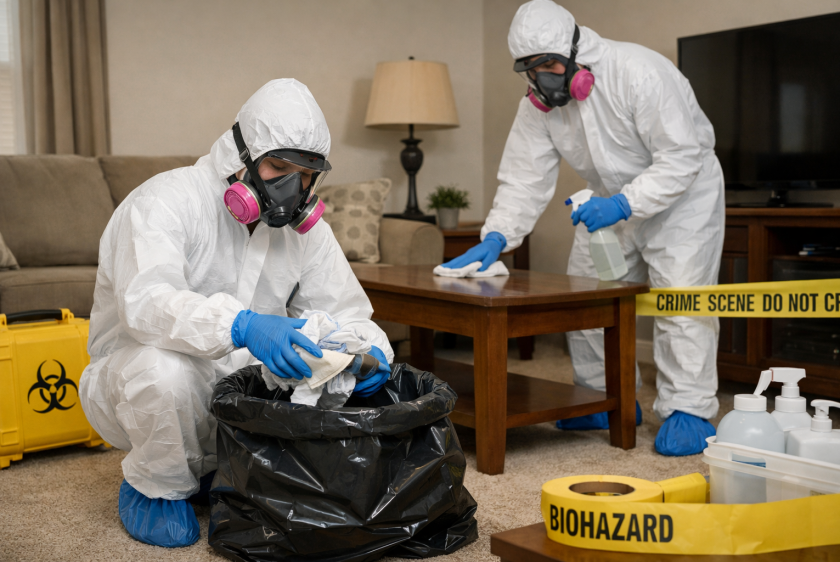
Biohazard scenes often contain bloodborne pathogens and infectious microorganisms that can pose severe health risks. Diseases such as hepatitis B, hepatitis C, HIV, and various bacterial infections can be transmitted through direct or indirect contact with contaminated materials. Even a small cut, abrasion, or exposure to mucous membranes can be enough to allow pathogens to enter the body.
What makes this risk even more concerning is that many of these pathogens are invisible and can survive on surfaces for extended periods. Improper cleaning methods can disturb contaminated particles, causing them to become airborne or spread to other areas. Without the knowledge to identify high-risk zones and properly neutralize pathogens, individuals may unknowingly expose themselves and others to serious health threats.
Professional biohazard cleanup technicians rely on advanced personal protective equipment (PPE) designed specifically for hazardous environments. This includes respirators with specialized filters, impermeable suits, double-layered gloves, and full-face protection. These items are not typically available to the average homeowner and require training to use correctly.
In DIY situations, individuals often rely on basic items like household gloves or masks, which provide minimal protection against biohazards. This creates a false sense of security, increasing the likelihood of exposure. Additionally, improper removal or disposal of contaminated PPE can further spread hazardous materials, compounding the risk rather than reducing it.
Biohazard cleanup goes far beyond surface-level cleaning. Biological materials can penetrate deep into porous materials such as carpets, upholstery, wood, and even subflooring. Standard cleaning products are not formulated to fully disinfect these materials or eliminate all harmful microorganisms.
Without access to industrial-grade disinfectants and specialized equipment like foggers or ozone machines, it is nearly impossible to achieve complete decontamination. Residual contamination can lead to persistent odors, bacterial growth, and ongoing health risks. Over time, what appears to be a clean area may still harbor dangerous pathogens beneath the surface.
Cleaning up after a traumatic event can be emotionally overwhelming, particularly when it involves a loved one or a distressing incident. The process forces individuals to confront the physical aftermath of the event, which can intensify feelings of grief, anxiety, and trauma.
Instead of providing closure, DIY cleanup can prolong emotional distress and even lead to long-term psychological effects such as post-traumatic stress. Professional cleanup services help remove this burden, allowing individuals to focus on recovery and emotional healing rather than reliving the incident through the cleanup process.
Biohazard cleanup is subject to strict local, state, and federal regulations governing the handling, transportation, and disposal of hazardous waste. These regulations are designed to protect both public health and the environment, and failure to comply can result in serious legal consequences.
Individuals attempting DIY cleanup are often unaware of these requirements. Improper disposal, such as placing contaminated materials in regular trash, can lead to fines, liability issues, and environmental violations. Additionally, property owners may face legal repercussions if improper cleanup results in harm to others, such as future occupants or visitors.
One of the most overlooked dangers of DIY biohazard cleanup is cross-contamination. Without proper containment procedures, hazardous materials can easily spread beyond the original site. Contaminants can be transferred through shoes, clothing, cleaning tools, or even airborne particles.
This can turn a contained incident into a widespread hazard affecting multiple areas of a home or building. Once contamination spreads, the cleanup becomes significantly more complex and costly. Professional teams use controlled environments, negative air pressure systems, and strict protocols to prevent this type of spread, measures that are nearly impossible to replicate in a DIY setting.
Biohazard materials do not remain confined to visible surfaces. Fluids can seep into flooring, walls, insulation, and structural components of a property. Over time, this can lead to material degradation, mold growth, and persistent odors that are difficult to eliminate.
DIY cleanup efforts often focus only on what is visible, leaving hidden contamination untreated. This can result in long-term property damage that may require extensive repairs or even full material replacement. Professional cleanup includes thorough inspection and remediation of affected areas, ensuring that both visible and hidden damage is addressed properly.
While DIY cleanup may initially appear to save money, it often leads to greater expenses over time. Incomplete cleaning, health complications, and property damage can all result in costly consequences. What starts as a cost-saving effort can quickly escalate into a much larger financial burden.
Additionally, improper cleanup can jeopardize insurance claims. Many insurance policies require professional documentation and certified remediation for coverage. Failing to meet these requirements may result in denied claims, leaving property owners responsible for the full cost of repairs and cleanup.
DIY biohazard cleanup may seem like a practical and immediate solution, especially during stressful situations. However, the risks associated with handling hazardous materials without proper expertise are significant and far-reaching. From exposure to dangerous pathogens to legal liabilities and long-term property damage, the hidden dangers can have lasting consequences.
For residents in Batavia, IL, the safest and most responsible approach is to rely on trained professionals who understand the complexities of biohazard remediation. Their expertise ensures not only thorough cleaning but also the protection of health, property, and peace of mind. In situations where safety is on the line, cutting corners is never worth the risk.
Professional biohazard cleanup is necessary in situations involving blood, bodily fluids, decomposition, crime scenes, hoarding environments, and infectious disease contamination. Any scenario where hazardous biological materials are present should be handled by trained experts.
While bleach and common disinfectants can kill some germs, they are not sufficient for fully neutralizing all biohazards. They also cannot penetrate porous materials effectively, leaving hidden contamination behind that can continue to pose risks.
Biohazard cleanup should be addressed as soon as possible to minimize health risks and prevent further contamination. Delays can allow pathogens to spread, odors to intensify, and structural damage to worsen.
