
The Homeowner’s Guide To Professional Biohazard Cleanup In Oak Brook, IL
Key Takeaways:
- Biohazard cleanup in Oak Brook follows strict OSHA and EPA guidelines to safely remove blood, bodily fluids, and infectious materials, reducing health risks for residents and neighbors.
- Common incidents such as unattended deaths, methamphetamine production, or trauma scenes often require specialized equipment and disinfectants not available through standard cleaning services.
- Homeowners who attempt DIY cleanup may face legal liability or incomplete decontamination, as seen in a 2022 case where improper disposal of sharps led to a local health department citation.
Defining Biohazards in a Residential Context
Biohazards in homes include any biological material that poses a threat to human health, such as blood, bodily fluids, or tissues. These substances may carry infectious agents and require specialized handling. A spill from a medical incident or an unattended death scene introduces risks beyond typical household cleaning. Exposure can occur through contact, inhalation, or contaminated surfaces.
Regulatory agencies classify such materials as potentially infectious. Items like used syringes, animal waste, or decomposition byproducts fall under this category. Even a small amount of contaminated fluid can harbor pathogens. You are not equipped to assess or manage these dangers with standard cleaning supplies.
Common Biological Contaminants and Pathogens
Bloodborne pathogens such as hepatitis B, hepatitis C, and HIV survive on surfaces for extended periods. A needle left in a carpet or dried fluid on a bathroom floor may appear harmless but can transmit disease. Mold colonies developing after water damage also qualify as biohazards, especially when spores become airborne.
Decomposition releases bacteria like E. coli and Clostridium species into the environment. A mid-sized SaaS firm managing remote employees once faced contamination after an employee’s undiagnosed illness at a rental property. Such cases show how quickly routine situations escalate without visible warning signs.
The Health Risks of Improper Handling
Exposure to uncontained biohazards can lead to respiratory issues, infections, or long-term illness. Skin contact with contaminated surfaces may introduce pathogens through cuts or mucous membranes. Children and elderly residents face higher vulnerability due to weaker immune responses.
Attempting cleanup with household bleach and gloves does not neutralize all pathogens. Some viruses resist common disinfectants and persist on porous materials like drywall or upholstery. Inhalation of aerosolized particles during improper removal increases the risk of systemic exposure.
One homeowner in DuPage County developed chronic sinusitis after cleaning up rodent waste without respiratory protection. Laboratory testing later confirmed the presence of hantavirus antibodies. This case illustrates how seemingly minor exposures can result in diagnosable health conditions when protocols are not followed.
Common Scenarios Requiring Professional Remediation
Sewage Backups and Water-Borne Contaminants
Raw sewage infiltration during a basement flood introduces pathogens like E. coli and hepatitis A into living spaces. Standard cleaning supplies cannot neutralize these biological hazards, which persist in porous materials such as drywall and subflooring. A mid-sized SaaS firm converted to residential use in Oak Brook experienced prolonged tenant illness until a certified team performed microbial remediation.
Water-borne contaminants often spread unseen, colonizing behind walls and under flooring. You may detect a faint sewage odor days after the visible water recedes, signaling residual contamination. Only specialized extraction and antimicrobial treatments ensure complete pathogen removal, preventing long-term health risks.
Trauma Scene and Unattended Death Recovery
Bloodborne pathogens such as HIV and hepatitis B remain viable in dried residues for days. You might not recognize all affected areas, especially where fluids seep into carpet padding or wall cavities. A homeowner in Oak Brook attempted cleanup after a relative’s unattended death, only to face recurring odors and mold due to incomplete remediation.
Decomposition fluids from unattended deaths penetrate multiple layers of building materials, requiring forensic-level detection and removal. You are responsible for ensuring compliance with Illinois’ communicable disease regulations, which mandate proper disposal of contaminated items. Certified technicians use ATP testing to verify pathogen elimination before releasing the site.
Specialized recovery includes odor neutralization, structural decontamination, and disposal of porous materials like insulation or drywall. You may not realize that blood and tissue residue can adhere to electrical conduits or plumbing lines, making visual inspection insufficient. Technicians apply enzymatic cleaners and thermal fogging to reach hidden zones, followed by third-party lab verification of air quality.
The Professional Remediation Protocol
Site Assessment and Containment Strategies
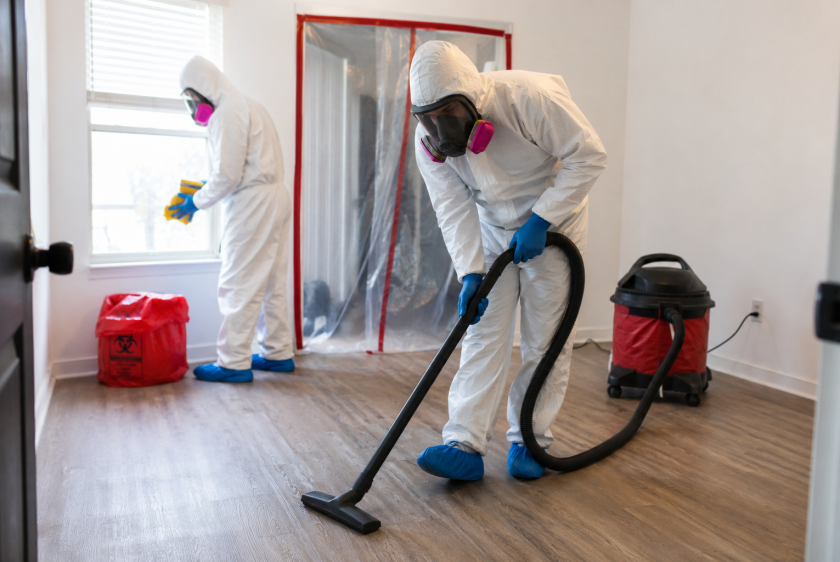
Initial evaluation begins with a thorough walkthrough to identify contamination zones and assess exposure risks. Barriers are established using plastic sheeting and negative air pressure units to prevent cross-contamination. Entry points are restricted, and personal protective equipment is donned before any work commences. A mid-sized SaaS firm managing property portfolios in DuPage County reported faster turnaround times when containment was implemented within the first hour of arrival.
Specialized Disinfection and Deodorization Processes
After containment, antimicrobial agents are applied using electrostatic sprayers for uniform coverage on all surfaces. These hospital-grade solutions target pathogens like norovirus and MRSA without damaging structural materials. Odor neutralization follows with hydroxyl generators that break down volatile organic compounds at the molecular level. Unlike masking agents, this method eliminates lingering smells from organic residues.
Technicians use ATP testing to verify microbial reduction after disinfection. Readings below 100 RLU confirm effective pathogen removal on non-porous surfaces. Deodorization may require extended runtime for porous materials such as drywall or carpet padding. In one Oak Brook townhome, a 72-hour hydroxyl cycle resolved persistent odors following a sewage backup behind bathroom tiling.
Legal and Regulatory Compliance in Illinois
Adherence to OSHA and EPA Standards
Every biohazard cleanup in Oak Brook must align with federal OSHA and EPA guidelines to ensure worker and public safety. You are required to use personal protective equipment, follow exposure control plans, and properly label contaminated materials. Certified professionals implement these protocols daily, reducing the risk of regulatory violations or health incidents during cleanup operations.
State Requirements for Biohazardous Waste Disposal
Illinois mandates that biohazardous waste be segregated, stored in leak-proof containers, and transported by licensed haulers to approved treatment facilities. You cannot dispose of such materials through regular trash or sewer systems. A mid-sized SaaS firm handling facility maintenance learned this when fined for improper disposal after an untrained janitorial team mishandled blood-contaminated debris.
Only Illinois Environmental Protection Agency-permitted facilities may process regulated medical waste, including sharps, bodily fluids, and pathological materials. You must ensure your chosen cleanup provider holds current state registration and provides a waste manifest for every disposal. This documentation confirms compliance and traces waste from your property to final destruction.
Navigating Insurance and Documentation
Understanding Coverage for Biohazard Events
Standard homeowner policies often exclude incidents involving biological contaminants unless tied to a covered peril like fire or burst pipes. You may discover that mold from chronic leaks is treated differently than bloodborne pathogens from an accident. A typical policy might cover cleanup costs only if the biohazard resulted from a sudden, accidental event, not gradual deterioration. Always review your declarations page with your agent to clarify what qualifies.
The Role of Detailed Reporting in Claim Approval
Insurance adjusters rely heavily on documentation to validate claims involving hazardous materials. You should expect to provide timestamps, photographs, and a certified technician’s written assessment. A remediation company in Oak Brook that issues itemized reports with OSHA and EPA compliance notes strengthens your case significantly.
Technicians trained in forensic documentation record material types, containment methods, and disposal routes. You receive a final report listing PPE used, waste manifest numbers, and clearance testing results. This level of detail has supported claims for a mid-sized SaaS firm whose rental property required decomposition cleanup after an undetected incident.
Selecting a Certified Specialist in Oak Brook
Essential Certifications and Equipment Standards
Look for technicians certified through the Institute of Inspection, Cleaning and Restoration Certification (IICRC) with a designation in Applied Microbial Remediation. These professionals undergo rigorous training in bloodborne pathogens, chemical handling, and structural decontamination. Their equipment includes hospital-grade HEPA vacuums, antimicrobial agents, and personal protective gear meeting OSHA standards.
A certified team uses EPA-registered disinfectants and follows strict chain-of-custody procedures for waste transport. For example, a technician responding to a hoarding situation in a 1920s Oak Brook bungalow will apply protocols specific to aging insulation and hardwood substrates. Proper certification ensures adherence to both state regulations and industry best practices.
Evaluating Local Response Times and Discretion
Response time can determine whether microbial growth spreads beyond porous materials. Oak Brook residents facing trauma cleanup after a police investigation should expect arrival within two hours during business hours from a qualified provider. Dispatch centers staffed locally reduce delays compared to national franchises routing through distant hubs.
Discretion matters when neighbors or tenants are nearby. Crews use unmarked vehicles and avoid discussing details on-site. A family managing an unattended death in a split-level home on Forest Avenue received cleanup within 90 minutes, with staff maintaining complete confidentiality throughout the process.
Local knowledge improves efficiency when navigating Oak Brook’s residential zones. A mid-sized SaaS firm’s former home office on Oakbrook Court required rapid turnaround between tenants, and the cleanup team coordinated with property managers to complete remediation in under four hours. Proximity allows specialists to return quickly if post-cleanup inspections reveal hidden contamination in subflooring or wall cavities.
To wrap up
Handling biohazard contamination in your home requires more than standard cleaning methods. You face serious health risks and legal responsibilities when blood, bodily fluids, or decomposed matter are present, especially after unattended deaths, accidents, or hoarding situations. Professional biohazard cleanup services in Oak Brook, IL follow strict protocols to ensure complete pathogen elimination and regulatory compliance. A certified team uses EPA-registered disinfectants, personal protective equipment, and proper disposal channels to restore your property safely. For a mid-sized SaaS firm managing office cleanups or a family recovering from a traumatic event, relying on trained specialists ensures thorough remediation and peace of mind.
FAQ
Q: What qualifies as a biohazard in a home setting?
A: Biohazards in residential environments include materials that pose a threat to human health due to biological contamination, such as blood, bodily fluids, decomposed tissue, and certain types of mold. These substances may carry pathogens like hepatitis B, hepatitis C, or HIV. A common example occurs after an unattended death, where decomposition introduces bacteria and volatile organic compounds into porous materials like drywall and carpeting. Trauma scenes involving significant blood loss, even from accidents or medical emergencies, also generate regulated waste. Unlike routine cleaning, biohazard remediation requires containment, specialized disinfectants, and disposal through licensed medical waste facilities.
Q: Why can’t I clean up a biohazard with household products?
A: Standard cleaning supplies lack the antimicrobial strength to neutralize dangerous pathogens found in biohazardous materials. Bleach, for instance, may appear effective but fails against certain viruses when diluted improperly or used on porous surfaces. Professional remediation teams in Oak Brook use EPA-registered hospital-grade disinfectants applied with fogging or electrostatic sprayers to ensure complete coverage. They follow OSHA’s Bloodborne Pathogens Standard, wearing full personal protective equipment including respirators and fluid-resistant suits. A mid-sized SaaS firm’s office near Oak Brook attempted self-cleanup after a suicide on premises, only to face recurring odor issues and failed third-party air tests, requiring a full reprocessing by certified technicians.
Q: How long does professional biohazard cleanup typically take?
A: The duration depends on the extent of contamination, location, and materials affected. A small blood spill in a bathroom with non-porous surfaces may take two to three hours, including disinfection and documentation. Larger incidents, such as a decomposed remains discovery in a bedroom, often require one full day or more due to the need for structural decontamination, odor neutralization, and removal of saturated flooring or insulation. Weather conditions in Oak Brook, particularly high humidity during summer months, can prolong drying times and affect mold remediation schedules. Technicians use moisture meters and thermal imaging to verify dryness before final clearance testing.