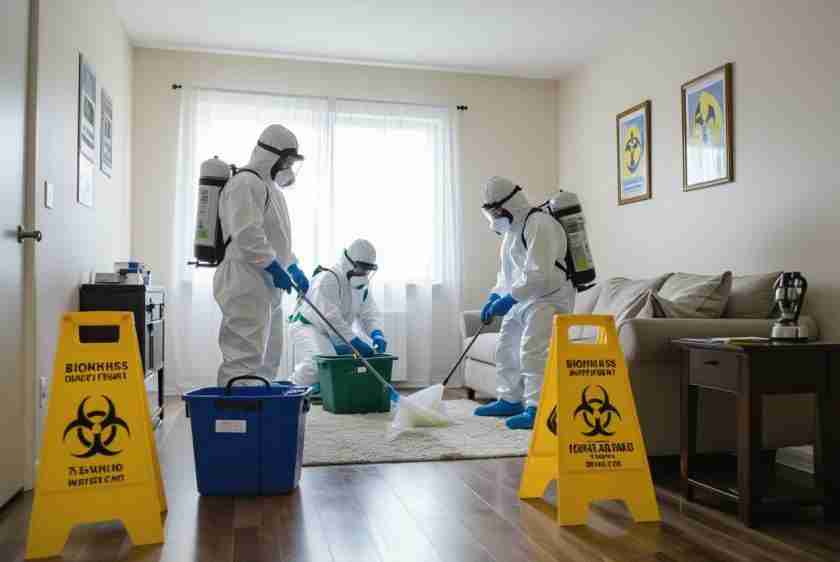
Fentanyl contamination poses serious health risks that require specialized cleanup services. When you hire a crime scene cleanup company for fentanyl-contaminated areas, you can expect professionals equipped with protective biohazard suits and advanced decontamination techniques to safely remove hazardous materials from your property. The team will follow strict protocols to ensure thorough cleaning, reducing the risk of exposure for you and future occupants. Understanding what the process involves helps you make informed decisions and ensures your environment is restored safely and effectively.
Fentanyl’s potency amplifies the dangers lurking in contaminated environments, especially in residential spaces where illicit drug use has occurred. Residue can settle on surfaces, furniture, and even air filters, turning everyday items into potential sources of exposure. You might not notice the contamination immediately, but even trace amounts can be life-threatening if handled improperly. Cleanup teams encounter conditions where visible signs—like pill fragments or paraphernalia—only hint at a deeper, invisible threat embedded in the very fabric of the home.
In many cases, properties left behind by users have significant structural and airflow concerns. Fentanyl particles can become airborne during basic activities such as sweeping or moving objects, increasing the risk of inhalation or skin contact. As you coordinate with a cleanup company, knowing that the team will employ specialized equipment and strict protocols to contain and remove these hazards helps you gauge the level of intervention needed and protects both workers and future occupants.
Even minimal skin contact with fentanyl can lead to serious health consequences, including respiratory distress, dizziness, or overdose symptoms. Cases reported by emergency responders highlight how accidental exposure has resulted in severe outcomes, sometimes within minutes. Your awareness of exposure symptoms—such as numbness, headaches, or sudden weakness—plays a key role in preventing further harm before professional help arrives.
Cleanup personnel are often equipped with full biohazard suits and respirators to prevent exposure, underscoring the invisible danger fentanyl poses. The drug’s potency means that typical household gloves and masks do not offer sufficient protection, and special containment measures, like HEPA filtration and chemical neutralizers, become imperative. As someone managing a cleanup, you want assurance that protocols meet or surpass recommended safety standards to avoid secondary contamination.
Fentanyl contamination doesn’t just threaten health in the short term; it also affects environmental quality within and around the property. Residues left behind can persist on building materials like drywall, carpets, and HVAC systems long after visible evidence has been removed. This persistent contamination raises concerns about indoor air quality and the safety of future residents or occupants, necessitating thorough decontamination procedures that go beyond surface cleaning.
Waste generated during cleanup, including contaminated wipes, suits, and discarded drug paraphernalia, requires careful handling and disposal under hazardous waste regulations. If not managed correctly, these materials may enter the wider environment, contaminating soil or water sources. Some cases show illegal dumping of contaminated items from incomplete cleanups, which then pose risks to surrounding communities and ecosystems.
The scope of environmental mitigation illustrates why you need a company versed in both hazardous material removal and environmental compliance. Their expertise ensures that potential long-term consequences—ranging from mold growth fostered by improper remediation to residual fentanyl in ventilation systems—are addressed comprehensively, safeguarding not just immediate human health but the broader environment as well.
Once you engage with a crime scene cleanup company for fentanyl-contaminated properties, you’ll notice the process hinges on strict safety and contamination control protocols. The cleanup isn’t just about removing visible mess; it involves detailed decontamination to neutralize toxic residues capable of harming unsuspecting future occupants. Companies employ highly trained technicians clad in biohazard suits who meticulously treat every surface, ensuring the removal of fentanyl traces that can remain dangerous even in minuscule amounts. From floors to carpets, walls to ventilation systems, the scope of cleaning demands specialized equipment and chemical agents designed for hazardous drug environments.
The complexity of the job goes beyond general biohazard cleanup, as fentanyl’s potency requires precision and extensive remediation steps. You’ll observe a blend of chemical treatments and physical removal techniques, paired with rigorous testing before the property gets cleared. This thorough methodology not only provides peace of mind but also adherence to state and federal guidelines specific to opioid contamination.
Your first meeting with the cleanup team will involve a detailed walkthrough where they assess contamination levels and structural concerns. Technicians use portable testing devices that detect fentanyl particles on various surfaces, mapping out hotspots for targeted cleanup. They’ll inspect high-risk areas like bedrooms, living spaces, and kitchens—all places where drug use or production might have occurred. The assessment also identifies damaged materials requiring disposal, such as contaminated upholstery, carpets, or drywall, which pose significant health risks if left untreated.
This evaluation phase gives you a clear scope of work, including an estimate of time and costs involved. The team explains necessary safety measures, like sealing off ventilation systems to prevent airborne spread and protocols for handling contaminated waste. You’re encouraged to ask questions about sample testing, cleanup validation, and the potential impact on residents or future tenants, ensuring transparency before the intensive cleanup phase begins.
Cleanup teams start by establishing containment zones to isolate affected areas, minimizing cross-contamination. The procedure follows a rigorous sequence: removal of biohazardous waste, deep cleaning with industrial-grade detergents, application of chemical deactivators specifically targeting fentanyl molecules, and finally, environmental testing to verify efficacy. Each step involves personal protective equipment, including respirators and full-body suits, considering fentanyl’s extreme toxicity through skin contact or inhalation.
Proper disposal is a central part of the methodology. Contaminated materials go into specialized biohazard bags, then transported to licensed facilities for incineration or chemical neutralization. Air purification units run continuously during and after cleaning to capture lingering airborne particles. Multiple rounds of ATP (adenosine triphosphate) and surface residue tests confirm the cleanup’s thoroughness before the property is deemed safe.
Step | Details |
|---|---|
Containment Setup | Establish sealed zones with plastic sheeting; employ negative air pressure systems |
Removal of Contaminated Materials | Dispose of carpeting, drywall, furniture tainted by fentanyl residues in biohazard bags |
Deep Cleaning | Use industrial detergents and abrasive cleaning to strip surfaces of residues |
Chemical Deactivation | Apply proprietary agents neutralizing fentanyl molecules on all exposed surfaces |
Air Filtration | Operate HEPA filtration units and negative air machines to capture airborne particles |
Verification Testing | Conduct surface wipe tests and ATP bioluminescence assays confirming contaminant removal |
Final Reporting | Provide detailed documentation and clearance certificates to you and regulatory bodies |
Understanding each procedural step helps you grasp why cleanup durations can vary from several days to weeks depending on contamination severity. The combination of containment, removal, chemical neutralization, and validation testing forms a layered defense ensuring your property returns to a safe, habitable condition.
Finding a cleanup company with expertise specific to fentanyl-contaminated environments can dramatically affect both the thoroughness and safety of the remediation process. Professionals who specialize in this niche understand the unique challenges posed by opioid residues, including the molecular persistence of fentanyl on surfaces and the risk of airborne contamination during cleanup. You want a team that not only offers general biohazard cleaning but has proven protocols tailored to address fentanyl’s extreme toxicity, minimizing any exposure risks to you, your family, or future occupants of the property.
Aside from their technical know-how, reputable companies will implement strict safety measures such as isolating the contaminated area with negative air pressure systems and using multi-layered protective gear. This attention to detail marks the difference between a standard cleanup and one that effectively reduces hazardous exposure. When evaluating your options, prioritize services that demonstrate transparency about their procedures and can provide evidence of successful fentanyl remediation projects.
Qualified personnel involved in fentanyl crime scene cleanup hold specialized certifications that prove their competency in dealing with high-risk biohazards. Certifications such as the Crime Scene Cleaner Certification (CSCS) or training from OSHA focused on hazardous materials handling indicate that the technicians understand both the biological risks and legal requirements. You want technicians who undergo ongoing education to stay current on evolving safety standards and remediation techniques, especially given the rise in opioid-related incidents nationwide.
Training also covers the use of personal protective equipment (PPE) specific to opioid residues, including how to don and doff suits without risking contamination transfer. In addition, teams trained in fentanyl cleanup are aware of the microscopic particle behaviors and contamination vectors, enabling a more meticulous dismantling and decontamination of affected areas. This expertise reduces the likelihood of residual fentanyl or related toxins remaining after cleanup.
State-of-the-art equipment sets professional cleanup teams apart, ensuring effective removal of fentanyl and associated contaminants. Advanced HEPA-filtered vacuum systems capture microscopic opioid particles without redistributing them into the air. High-efficiency air scrubbers help maintain negative air pressure zones while filtering airborne toxins during the remediation process. These technologies allow your cleanup crew to isolate and neutralize biohazards in ways that typical cleaning tools cannot.
Additionally, specialized chemical agents capable of breaking down fentanyl molecules are used alongside industrial-grade surface cleaners that guarantee thorough decontamination. Infrared and ultraviolet lighting tools assist technicians in identifying dried residue or hidden contamination that might escape the naked eye, helping ensure a more comprehensive cleanup. Employing this range of equipment gives you confidence your environment will be made safe for occupancy again without residual risk.
Behind the scenes, digital monitoring devices continuously measure particulate levels, helping crews adjust their methods in real-time to maintain stringent safety thresholds. This technology-driven approach not only accelerates the cleanup process but also provides verifiable data to confirm contamination reduction, a critical factor if you’re dealing with legal or insurance requirements. Access to these advanced tools is something you should ask about before committing to service, as they often differentiate professional crime scene cleanup from less equipped companies.
Companies performing fentanyl-contaminated cleanup must operate within strict regulatory frameworks that dictate liability and safety standards. You’ll want to verify that any cleanup service you engage carries proper certifications and complies with OSHA regulations to avoid legal complications. Failure to use certified professionals can expose you to potential lawsuits or liabilities, particularly if residual contamination results in harm. Understanding how liability is allocated between property owners, cleanup companies, and insurance providers helps ensure you aren’t left vulnerable to costly claims.
Contracts from cleanup firms typically include clauses outlining who bears responsibility for damages or incomplete remediation. Reading and negotiating these clauses carefully can prevent unexpected financial exposure. In addition, some states have specific reporting requirements for fentanyl contamination incidents, and your cleanup company should be well-versed in these to maintain compliance throughout the process.
Typical insurance policies covering fentanyl cleanup include general liability, professional liability, and pollution liability insurance. General liability protects against third-party bodily injury or property damage claims during cleanup, while professional liability safeguards against claims arising from errors or omissions in the remediation process. Pollution liability insurance specifically addresses environmental contamination risks with chemicals like fentanyl, which standard policies might exclude.
Many companies also carry workers’ compensation to cover employee injuries given the hazardous nature of fentanyl cleanup. You should request proof of insurance and verify coverage limits, which can range from $1 million to $5 million depending on the company and region. Having these details upfront helps you assess whether the firm can adequately cover potential accidents or cleanup failures.
Cleanup costs for fentanyl-contaminated environments vary widely based on the severity of contamination, the size of the property, and the required remediation methods. For example, simple surface cleanings in a small apartment might start around $3,000, whereas full-scale decontamination of hoarding or meth labs with heavy fentanyl residue can exceed $20,000. Additional costs often arise from specialized disposal of hazardous waste, air quality testing, and biohazard-certified waste removal fees.
Hourly labor rates for qualified biohazard technicians typically range from $75 to $150, and emergency or after-hours service can drive prices higher. You might also encounter minimum service charges or tiered pricing models that increase the rate for rapid response cleanup. Transparent pricing breakdowns help avoid surprises.
Factors influencing cleanup costs include:
Any cleanup project involving fentanyl carries inherent unpredictability, so obtaining detailed estimates and consulting multiple providers will empower you to make an informed decision. Some companies may offer package deals that bundle testing and cleanup or provide financing options to ease the financial burden of comprehensive remediation.
Cleanup of a fentanyl-contaminated site isn’t only about eliminating hazardous substances—it often involves confronting deeply traumatic circumstances that have affected families and communities. You may find that trained professionals recognize the emotional weight carried by loved ones, balancing technical cleanup with sensitivity to grief, shock, and trauma. Companies specializing in this work often partner with counselors or social workers who can offer guidance during what is typically a very challenging time, helping you navigate feelings of loss or helplessness tied to the incident.
Being in a home overtaken by evidence of drug use or overdose can be deeply unsettling. Biohazard technicians understand the psychological impact of re-entering such a space and may offer clear communication and reassurance throughout the process, helping minimize your emotional distress. This human element is part of their holistic approach, aimed at restoring not only health and safety but also a measure of peace of mind.
Families often face an overwhelming mix of grief and uncertainty immediately following fentanyl-related incidents. You might appreciate how cleanup teams provide more than just technical services—they often serve as compassionate liaisons who can listen to your concerns, offer practical advice, and help coordinate next steps. Understanding that each family’s situation is unique, many companies tailor their responses to respect your emotional and cultural needs.
Responders frequently share examples of how they handled delicate conversations with families who have lost loved ones to addiction or overdose. By maintaining professionalism blended with empathy, they guide you through the cleanup phase while acknowledging the trauma you’ve experienced. This approach can make a tangible difference in helping you process the situation more effectively, paving the way forward.
Aside from the physical cleanup, connecting with support networks is a critical component of long-term recovery for families impacted by fentanyl contamination. You might find solace in local or national organizations specializing in addiction recovery, mental health counseling, and victim assistance. Agencies such as the Substance Abuse and Mental Health Services Administration (SAMHSA) offer helplines, support groups, and educational materials tailored to those affected by opioid crises.
Cleanup companies often provide resource lists or referrals to trusted community programs, recognizing the importance of comprehensive care that extends beyond environmental safety. You can take advantage of services like peer support groups and family counseling to aid emotional healing and build resilience after the trauma of drug involvement and fatal overdoses.
Beyond immediate crisis intervention, sustained support networks—including online forums, recovery workshops, and advocacy groups—play a vital role in long-term wellness. Many of these platforms offer anonymity and accessibility, allowing you to engage at your own pace. Combining professional cleanup services with ongoing emotional and social support can help rebuild a safer and more hopeful environment for you and your family.
Conclusively, when you hire a crime scene cleanup company for fentanyl-contaminated areas, you can expect professional and thorough decontamination performed with strict adherence to safety protocols. These specialists use advanced protective gear and specialized equipment to handle hazardous materials safely, ensuring your environment is restored to a safe and livable condition. Your peace of mind is given priority, as the team works carefully to eliminate all traces of fentanyl and other harmful substances.
Additionally, the cleanup company will guide you through the entire process, from initial assessment to final clearance, making sure you understand what steps are being taken and why they are necessary. By choosing experienced professionals, you protect yourself and others from the severe health risks associated with fentanyl exposure, while also efficiently managing the aftermath of a difficult situation. Your safety and the successful remediation of your property are the primary goals of the cleanup team you entrust.
A: Cleanup companies use specialized personal protective equipment (PPE) such as biohazard suits, gloves, and respirators to prevent exposure to fentanyl, which can be extremely hazardous even in small amounts. They also implement containment measures to avoid cross-contamination and utilize approved cleaning agents and disposal methods designed specifically for hazardous drugs like fentanyl.
A: The duration of the cleanup process varies depending on the extent of contamination and the size of the property. Typically, it can take anywhere from several hours to multiple days. The company will first assess the site, develop a cleanup plan, and then carry out thorough decontamination, including air quality testing before the property is deemed safe for re-entry.
A: No, the property will only be considered safe after comprehensive testing confirms that fentanyl residues have been fully removed and the area meets regulatory safety standards. Cleanup companies usually provide certification of decontamination, and they may recommend additional inspections or treatments to ensure the environment is free from hazardous substances.
