Just by engaging licensed crime scene cleanup professionals in Skokie, Illinois, you can reclaim your home safely and efficiently after a traumatic incident; trained technicians remove biohazards, sanitize and deodorize surfaces, document work for insurance, and make structural repairs so your property regains habitability and value, while coordinated efforts with local agencies and compassionate service help your neighborhood heal and reduce long-term public health risks.
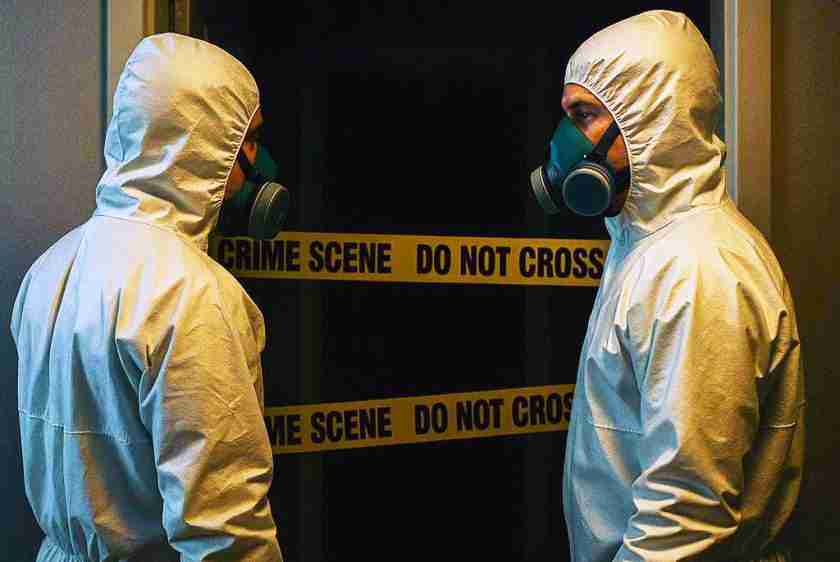
You inherit emotional work as soon as physical cleanup begins: recurring images, hypervigilance, and disrupted sleep commonly follow exposure to violent or unattended deaths. Studies estimate roughly 60–70% of adults report experiencing at least one traumatic event in their lifetime, and among those directly exposed to a traumatic death or severe violence, post-traumatic stress symptoms appear in an estimated 10–30% of people — outcomes that change how you parent, work, and interact in your neighborhood.
Practical demands compound psychological strain: court dates, insurance claims, and the logistics of rebuilding a home can stretch for months and keep you in a prolonged state of stress. Professional crime scene cleanup companies in Skokie often take on coordination tasks — documented inventories, photo documentation for insurers, and liaising with authorities — which reduces procedural burden and lets you prioritize mental health care and family stability.
You may notice children regress, teens withdraw, or partners argue more frequently after a traumatic event; these are common reactions rather than signs of permanent damage. Behavioral changes such as bedwetting, school avoidance, irritability, and concentration problems can surface in younger family members, while adults frequently report anxiety, guilt, and trouble sleeping that interfere with daily responsibilities.
Seeking targeted support can change trajectories: trauma-focused therapies and short-term crisis counseling help many families regain routine and safety. When you engage with a licensed clinician or community-based support group within the first few weeks, symptoms often stabilize faster and the family’s ability to make practical decisions — about repairs, insurance, or relocation — improves markedly.
You’ll see community response take several forms: immediate neighbor assistance (meal trains, childcare), faith-based gatherings or vigils, and formal supports such as victim advocacy, crisis hotlines, and referrals from local health centers. Area hospitals and community mental health clinics typically offer grief counseling or can connect you with pro bono resources; those connections shorten the time between crisis and treatment and lower the barrier to care.
Local civic agencies and nonprofit organizations often step in to help stabilize affected households by arranging temporary housing, coordinating donations, and organizing volunteer cleanup assistance separate from biohazard remediation. When you accept these supports, practical stressors like childcare, transportation to court, or temporary relocation are handled by others so you can focus on recovery.
Concrete examples include neighbors launching fundraising pages that cover immediate expenses, community centers hosting bereavement workshops attended by dozens of residents, and faith groups providing volunteers to deliver meals for weeks after an incident; these collective actions reduce isolation and give you tangible breathing room to pursue counseling, legal steps, and home restoration.
Bloodborne pathogens such as Hepatitis B, Hepatitis C and HIV are common concerns, but cleanup teams also encounter decomposition fluids, fecal contamination, sharps, mold colonization and chemical residues from methamphetamine labs or household cleaners. You may face scenes with aerosolizable powders like fentanyl; technicians treat these as microgram‑level hazards and employ containment and specialized sampling rather than casual handling. Visual inspection alone won’t reveal microbial load, so teams use surface swabs, ATP luminometry and, when needed, air sampling to quantify contamination before deciding on demolition versus surface remediation.
Field assessments follow OSHA 1910.1030 exposure‑control principles and local Illinois waste statutes, with technicians documenting hazards, PPE levels and clearance criteria in a written plan you can review. Prioritization often hinges on porosity and bioavailability: porous items (carpet, upholstery, drywall) typically harbor pathogens and are removed, while nonporous surfaces undergo validated disinfection protocols backed by contact‑time data and laboratory test results when required.
Containment begins with negative‑pressure barriers and HEPA filtration (HEPA filters capture 99.97% of particles ≥0.3 microns) to prevent cross‑contamination; your crew will don PPE ranging from double nitrile gloves and Tyvek suits to P100 respirators for aerosol risk. Gross decontamination uses enzymatic detergents to break down organic matter, followed by EPA‑registered hospital disinfectants or a sodium hypochlorite 1:10 solution applied with a minimum 10‑minute contact time on blood‑soiled surfaces. HEPA vacuuming, mechanical scrubbing, and thermal extraction for fabrics are standard steps, with ATP or chemical residue tests used to verify cleaning efficacy.
Regulated waste management is handled under state and federal rules: sharps go into puncture‑resistant containers, biological waste is red‑bagged, labeled and transferred via licensed medical‑waste transporters to autoclave or incineration facilities, and manifests are kept for chain‑of‑custody. Demolition of porous materials can account for the largest portion of time and cost—single‑room heavy biohazard jobs often generate 50–150 pounds of regulated waste and can require 8–24 hours of on‑site work depending on contamination depth.
Equipment selection often dictates turnaround: a typical one‑bedroom remediation will use 1–3 HEPA air scrubbers, at least one negative‑air machine, a HEPA vacuum, and a thermal extractor for textiles; odor treatment may use hydroxyl generators rather than ozone to avoid byproduct risks. You can ask your provider for post‑cleanup verification results—ATP readings, surface swabs or third‑party lab reports—to confirm the scene meets clearance thresholds before reoccupancy.
You will see the cleanup unfold in defined phases, each with measurable steps and timelines: an initial assessment (often 1–3 hours on-site), containment using negative-air machines and polyethylene barriers, targeted biohazard removal, high-grade disinfection, odor control, and any necessary reconstruction. Technicians follow IICRC S540 protocols and OSHA Bloodborne Pathogens Standard (29 CFR 1910.1030); typical turnaround for a single-room cleanup is 24–72 hours, while multi-room or reconstruction jobs can take days to weeks depending on scope.
Step-by-Step Tasks and What You Can Expect | ||||||||||||
|---|---|---|---|---|---|---|---|---|---|---|---|---|
1 | Initial Assessment | Visual inspection, moisture mapping, sample testing if needed; written scope and estimate provided within 24 hours. | ||||||||||
2 | Containment | Installation of sealed work zones with 6-mil poly, negative-air HEPA filtration (99.97% at 0.3 μm) to prevent cross-contamination. | ||||||||||
3 | Biohazard Removal | Removal of contaminated materials (porous items, carpet, baseboards) using PPE and disinfectants registered by EPA for bloodborne pathogens. | ||||||||||
4 | Cleaning & Disinfection | Multi-step cleaning with enzymatic cleaners, then EPA-approved disinfectants; swab testing available to verify log reductions. | ||||||||||
5 | Odor & Air Quality | Thermal fogging or hydroxyl generators plus HVAC duct cleaning; post-treatment particle and VOC checks when requested. | ||||||||||
6 | Repairs & Reconstruction | Drywall replacement, subfloor repairs, painting, and finishing work coordinated with licensed contractors; progress timelines and costs tracked. | ||||||||||
7 | Final Inspection | Walk-through with you, clearance documentation, and recommendations to prevent recurrence (e.g., moisture control, HVAC maintenance). | ||||||||||
Structural compromise often appears where fluids soaked porous materials; you may require removal of 12–24 inches of drywall, replacement of affected insulation, and localized subfloor replacement if moisture reached the joists. Technicians use moisture meters and infrared imaging to map hidden damage, then apply industry standards such as IICRC S520 for mold-affected components to determine how much material to remove versus remediate.
Surface-level aesthetic work—staining, paint, trim, and finish carpentry—gets scheduled after clearance testing to avoid recontamination. Cosmetic repairs are coordinated with structural fixes so you receive accurate cost estimates; for example, minor aesthetic touch-ups on a single room commonly add $500–$2,500 to a remediation invoice, whereas full-room reconstruction can range from $8,000–$25,000 depending on finishes.
In practice, a common outcome in Skokie townhouses is removal of 3–4 square feet of flooring and 2–4 linear feet of baseboard plus HVAC register cleaning, which allows technicians to restore both integrity and appearance within 7–10 days for medium-severity incidents; timelines extend when structural framing or whole-home HVAC remediation is required.
Visible restoration of homes and public spaces signals to you and your neighbors that life can move forward: technicians following OSHA and EPA guidance remove biohazards, deodorize, and repair structural damage so properties are safe to re-enter, often within 48–72 hours for a typical single-family residence. Rapid, professional remediation reduces the number of visual and olfactory reminders that can trigger stress, allowing you to reclaim private spaces and resume daily routines sooner.
Cleanup also creates physical space for collective healing—cleared homes and cleaned sidewalks let community groups hold memorials, neighborhood meetings, or healing circles without the added burden of contamination concerns. When remediation teams coordinate with victim advocates and counselors, you gain a structured pathway from emergency response to long-term recovery, which research in trauma-informed care shows improves coping and lowers community-wide anxiety.
Local agencies in Skokie—law enforcement, the village health department, and social services—often act as coordinators between you and licensed remediation firms, verifying scene release and advising on public-health risks. Faith-based organizations and neighborhood associations supplement that framework by offering immediate practical help such as temporary shelter, meal assistance, and volunteer cleanup support for non-biohazard tasks.
You can access specialized support through victim advocacy programs and community nonprofits that maintain lists of vetted cleanup companies, counselors, and financial resources for recovery-related expenses. Asking your cleanup contractor for referrals or contacting the Skokie municipal human services office expedites referrals and helps you avoid unlicensed operators.
For additional support, request a written resource list from the responding officers or your cleanup provider; that list typically includes local victim services, contact information for health-department guidance on potential infectious risks, and links to emergency housing or short-term financial aid so you can focus on restoring your home and life.
A Skokie family on Oakton Street described coming back to their home 72 hours after a traumatic incident and finding technicians had completed full decontamination, odor neutralization, and structural drying; you would see documentation of EPA-registered disinfectants used and photographs for insurance, which let them file a claim and return within a week rather than months. Property managers in a 12-unit complex reported that crews isolated three affected units, ran HEPA air scrubbers (99.97% capture at 0.3 microns), and completed repairs that allowed tenants to move back 10–14 days sooner than expected.
Local examples also show how discreet, licensed crews preserve privacy and dignity: you heard from a victim’s neighbor that technicians coordinated with the Skokie Police Department, provided chain-of-custody records, and removed biohazardous waste under IICRC-compliant protocols, reducing community anxiety and preventing rumors that can depress neighborhood morale and property demand.
Proper remediation reduces long-term health risks you might not see immediately; eliminating bloodborne pathogens and volatile organic compounds under IICRC S520 guidelines limits chronic respiratory irritation and decreases the chance of recontamination that can lead to recurring mold or odor problems. Financially, documented professional cleanup often speeds insurance settlements and can preserve resale value by providing verifiable cleaning reports and repair invoices that buyers and lenders require.
Community-level advantages affect you as well: professionally restored homes cut vacancy time, which in one municipal case study shortened average vacancy from 90 to 45 days, helping stabilize rents and preventing blight that otherwise attracts vandalism. You also benefit from trained crews who follow OSHA and NIOSH safety standards, reducing liability for landlords and minimizing costly legal exposure after an incident.
More granularly, you gain measurable technical benefits—HEPA filtration, ozone-free deodorization, and EPA-registered disinfectants provide quantifiable reductions in airborne particulates and surface pathogens, while post-service ATP testing or swab reports give you concrete proof of remediation effectiveness that insurers, real estate agents, and public health officials accept.
Drawing together the technical, emotional, and public-safety elements, you regain control of your home when trained crime scene cleanup teams in Skokie, Illinois remove biohazards, eradicate odors, and remediate structural damage to return your space to a safe, sanitary condition. By relying on certified technicians who follow Illinois and local guidelines, you reduce health risks to your household, restore usable living areas, and create the practical foundation for repairs, insurance processing, and long-term recovery.
When you support professional remediation, you also contribute to community resilience in Skokie: properly handled sites prevent secondary contamination, protect neighboring properties, and help preserve neighborhood property values while signaling that the area is being cared for. Your choice to involve licensed cleanup professionals makes the recovery process more orderly and dignified for victims and neighbors alike, enabling public agencies and residents to focus on healing and rebuilding together.
A: Cleanup teams perform an initial assessment, secure and contain the area, and use PPE and industry-standard protocols to remove blood, bodily fluids, and other biohazards. Hard surfaces are cleaned, disinfected, and tested; porous materials that cannot be fully decontaminated are removed and replaced. HEPA filtration, odor neutralization, and thorough ventilation are used to eliminate lingering odors and airborne contaminants. Teams coordinate with police and public-health officials, document the work for insurance and legal needs, and complete any necessary repairs or reconstruction to return the residence to a safe, habitable condition.
A: Proper cleanup reduces public-health risks by preventing pathogen spread and eliminating hazardous waste that can endanger residents and first responders. Removing visible damage and odors helps prevent blight, stabilizes neighborhood property values, and allows businesses and public facilities to reopen quickly. Cleanup providers often work with municipal agencies to ensure waste is disposed of at licensed facilities and to provide transparent documentation, which supports community trust and speeds recovery after traumatic events.
A: Timelines vary: a single-room cleanup can take hours, while full restorations with structural repairs may take days to weeks. Costs depend on contamination level, materials removed, and reconstruction needs; many providers supply itemized estimates and assist with homeowner or commercial insurance claims by providing scope-of-work documents and disposal manifests. Choose a provider with local experience in Skokie, certifications (e.g., IICRC S500 or equivalent), OSHA-compliant training, proper licensing and insurance, 24/7 response capability, confidentiality policies, references, and written contracts that include clearance verification and waste disposal documentation.
